Between June and September, Columbia County's relative humidity regularly sits above 70% — some days well above that. You feel it outside. What most people don't think about is what that humidity is doing inside the house, specifically to the carpet.
Carpet doesn't just sit there passively. It interacts with the air around it. In a humid climate, that interaction has real consequences for indoor air quality, allergen levels, and even the longevity of the carpet itself. Here's what's happening and what you can do about it.
Carpet acts like a sponge for humidity
Carpet fibers — especially nylon, wool, and cotton — absorb moisture from the air. They don't get wet to the touch, but at the molecular level, the fibers are holding more water content when the air is humid than when it's dry. This matters for a few reasons.
Dust mites reproduce faster. Dust mites need humidity to survive. Below about 50% relative humidity, they start dying off. Above 70%, they thrive and reproduce rapidly. During a Georgia summer, the conditions inside most homes — even with air conditioning — are favorable for dust mite populations to grow. And dust mites live in carpet fiber.
Their waste products are the actual allergen. A carpet with a healthy dust mite population is releasing allergen proteins into the air every time someone walks across it or the HVAC system pulls air from floor level. This is one reason allergy symptoms often get worse in summer even when pollen season is over.
Pet urine odor reactivates. We covered this in detail in our pet odor guide, but it bears repeating: uric acid crystals from dried pet urine pull moisture from humid air and release odor compounds. If you notice the pet smell getting worse on muggy days, that's exactly what's happening. The humidity is reactivating the source.
Mold and mildew risk increases. Carpet that was steam cleaned and left damp, carpet near a leaky window, or carpet in a room with poor air circulation can develop mold in the pad during humid months. You might not see it — it's underneath — but you'll smell it. A musty, damp-basement smell from carpet that looks fine on top is often mold or mildew in the pad.
What your HVAC system is doing (and not doing)
Air conditioning helps. It removes moisture from the air, and in a well-sealed home, running the AC keeps indoor humidity in a reasonable range. But there are limits.
The HVAC pulls air from floor level, which means it's circulating whatever is in the carpet back through the room — dust, pollen, dander, dust mite allergens. A good filter catches some of it. A bad filter catches almost none. And the carpet keeps re-loading with whatever the filter misses.
If your HVAC filter is the cheap fiberglass kind, upgrading to a MERV 8 or higher pleated filter makes a measurable difference in what gets recirculated from the carpet into the air you breathe. Change it monthly during summer instead of quarterly.
For homes where the AC struggles to keep humidity below 55% indoors — common in older Martinez homes with less insulation — a standalone dehumidifier in the main living area can drop the humidity enough to slow dust mite reproduction and reduce the musty-carpet issue.
The cleaning window that matters most
There's an optimal time to have carpets professionally cleaned in Columbia County, and it's the transition between spring and summer: late April through early June.
Here's why. Spring pollen season deposits six weeks of pine, oak, and grass pollen into carpet fibers. That load is sitting there when humidity starts climbing. Cleaning the pollen out before the humidity peaks means the carpet isn't holding both a full allergen load and high moisture content simultaneously.
For most households, this single annual cleaning — timed to the post-pollen, pre-humidity window — provides the biggest return on investment. Allergy sufferers and pet households benefit from a second cleaning in early fall, after summer humidity eases but before holiday foot traffic begins.
Signs your carpet is struggling with humidity
A few indicators that the humidity is causing problems in your carpet:
- Morning sneezing fits that stop when you leave the house. Dust mite allergens concentrated in carpet are at their worst when you've been sleeping in a room for eight hours with the fibers releasing particles into the air.
- A musty smell when you come home after being away. Your nose adjusts to persistent smells when you're in the house. If you notice a damp or stale smell after being away for a few days, the carpet is holding something.
- Pet odor that cycles with the weather. Worse on humid days, better when the AC has been running hard. That's urine crystals reactivating.
- Visible mold or discoloration at carpet edges along exterior walls. These areas get the least air circulation and the most moisture migration from outside.
- Increased asthma or allergy medication use during summer. If someone in the house is using their inhaler more in July than in January, and outdoor pollen isn't the cause, indoor allergens concentrated in carpet and upholstery are worth investigating.
What you can do right now
Keep indoor humidity below 55%. Run the AC consistently. Use a dehumidifier if the AC alone can't manage it.
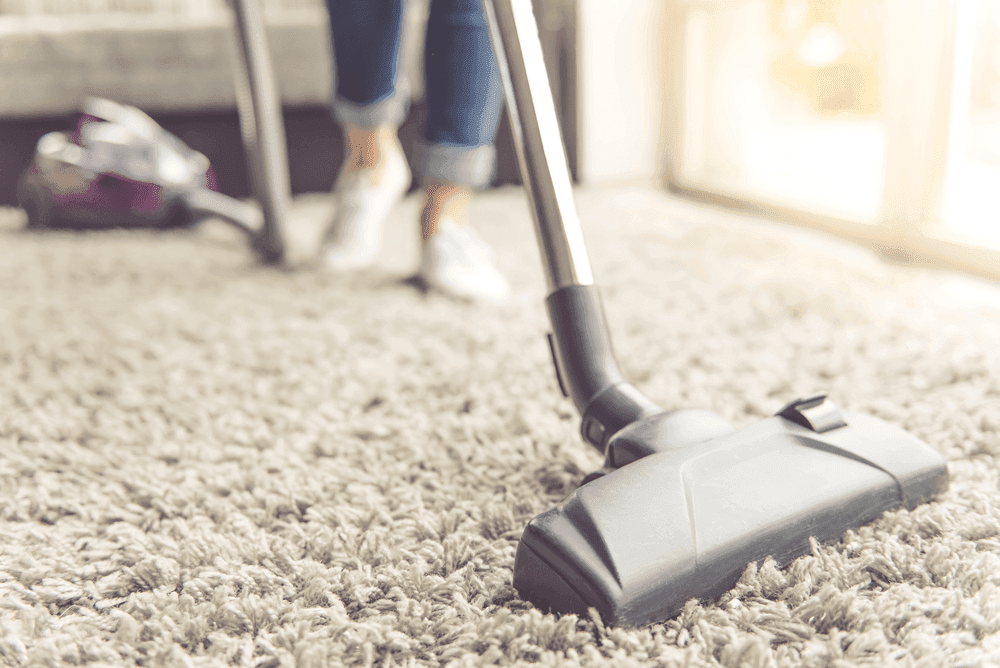
Vacuum more often in summer. At least twice a week, three times if you have pets. Use a vacuum with a HEPA filter — a regular vacuum recirculates fine allergens through its exhaust.
Schedule a professional cleaning in late spring. This is the single most effective thing you can do for carpet health in a humid climate. Removing the spring allergen load before humidity peaks prevents the worst of the summer buildup.
Consider the sanitizer add-on. For households with allergies, asthma, or multiple pets, our antibacterial sanitizer reduces the dust mite and bacteria population in the carpet fibers. It's most effective when applied during the late-spring cleaning.
Increase air circulation in problem rooms. Rooms with carpet along exterior walls, rooms with poor HVAC flow, and guest rooms that stay closed benefit from running a ceiling fan or opening the door regularly to prevent stagnant humid air from settling into the fiber.
Upholstery and rugs need attention too
Carpet gets the most conversation, but fabric furniture and area rugs hold the same humidity-related allergens. A sectional sofa collects dust mites and dander at the same rate as the carpet around it. Upholstery cleaning and area rug cleaning during the same visit as a carpet cleaning gives you the most complete reset.
Bottom line
Georgia summers are going to be humid. You can't change that. What you can change is whether your carpet is working with you or against you during those months. A well-timed cleaning, reasonable humidity control, and consistent vacuuming keep the carpet functional as an air filter instead of an allergen reservoir.
If your last professional cleaning was more than a year ago and you're heading into summer, now is the time. Call 803-310-3848 or schedule online. Mention the 3 rooms for $88 deal if you're a first-time customer, and ask about the sanitizer add-on if allergies are a factor in your household.